
Sustainable Fashion for Musicians
Eco-friendly choices for stagewear

As a designer working with musicians and performing groups, I believe the answer is yes — if we start by understanding the fabric.
In this post, we’ll explore the most common and sustainable fabric options for stagewear, their pros and cons, and what I recommend for different types of ensembles.
what makes a fabric sustainable?
Before we dive into options, a quick definition. A fabric is generally considered sustainable if it is:
- Produced using fewer chemicals and less water
- Biodegradable or recyclable
- Durable (so it lasts through many performances)
- Ethically sourced, often with certifications like GOTS or OEKO-TEX
Now let’s look at your options.
organic cotton


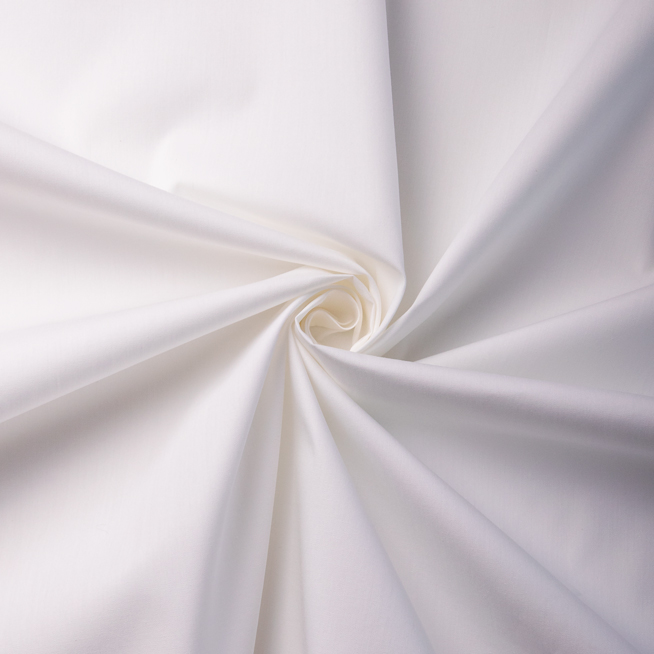
Pros:
- Breathable, soft, and comfortable (especially for long rehearsals)
- Grown without toxic pesticides or fertilizers
- Naturally biodegradable
- Easy to dye and sew
Cons:
- Wrinkles easily — may not hold structure for formal looks
- Can fade faster under frequent washing or strong lighting
- Heavier than synthetics — not ideal for all cuts
Best for:
- Children’s choirs (comfort first!)
- Youth ensembles looking for eco basics like T-shirts or hoodies
- Casual stagewear, festival gear, outdoor concerts
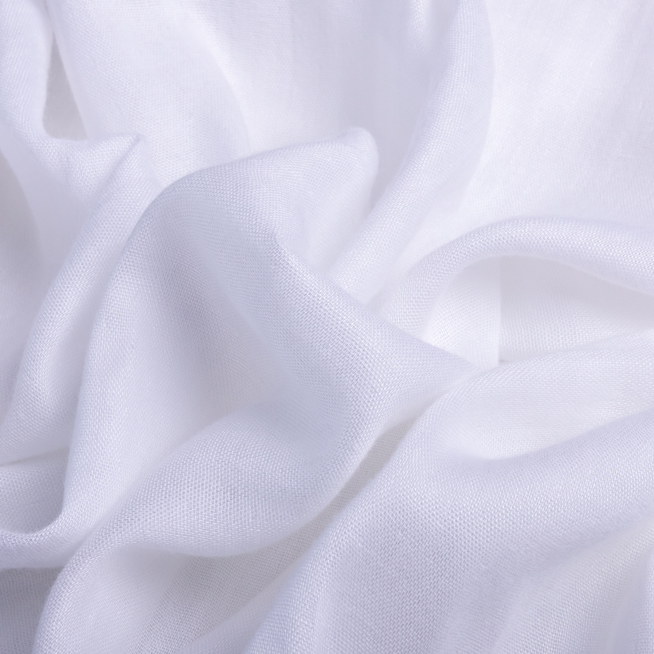
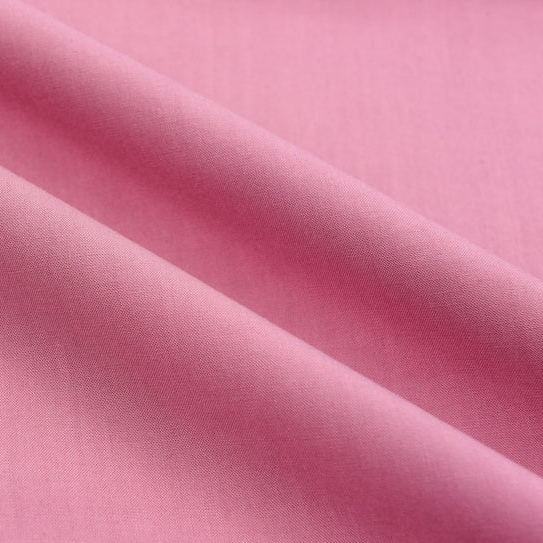
bamboo viscose

Pros:
- Ultra-soft and drapes beautifully
- Antibacterial and moisture-wicking (great under hot stage lights)
- Feels luxurious — ideal for fluid silhouettes
Cons:
- The viscose production process often uses chemicals — look for closed-loop or OEKO-TEX-certified options
- Slightly clingy if not blended or lined
-
Can shrink in heat
Best for:
- Youth or adult choirs who want soft, flowy performance tops
- Women’s ensembles or chamber groups in soft coordinated stagewear
- Comfortable base layers under uniforms
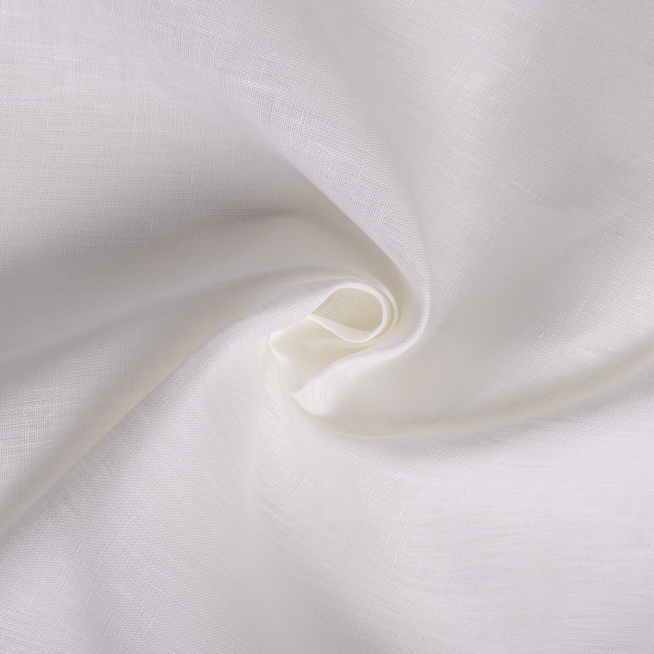
linen
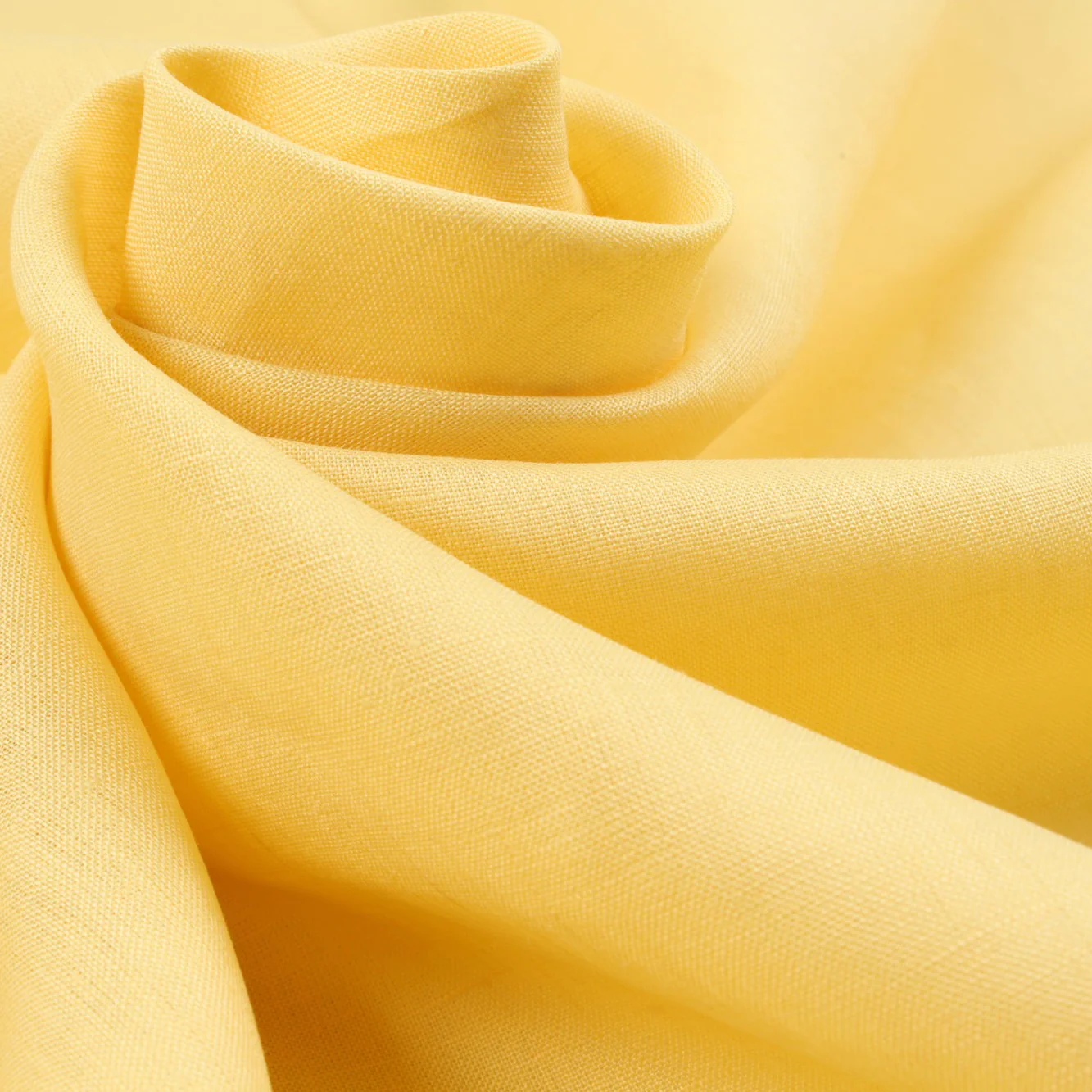

Pros:
- Made from flax — one of the most eco-friendly crops
- Breathable and natural-looking
- Long-lasting and strong
- Softens beautifully over time
Cons:
- Wrinkles easily
- Textured look may not suit formal or uniform settings
- Less stretch — restrictive for tailored fits
Best for:
- Outdoor summer concerts
- Folk choirs or informal community groups
- Ensembles embracing a more natural or artistic image
TENCEL™ (lyocell)
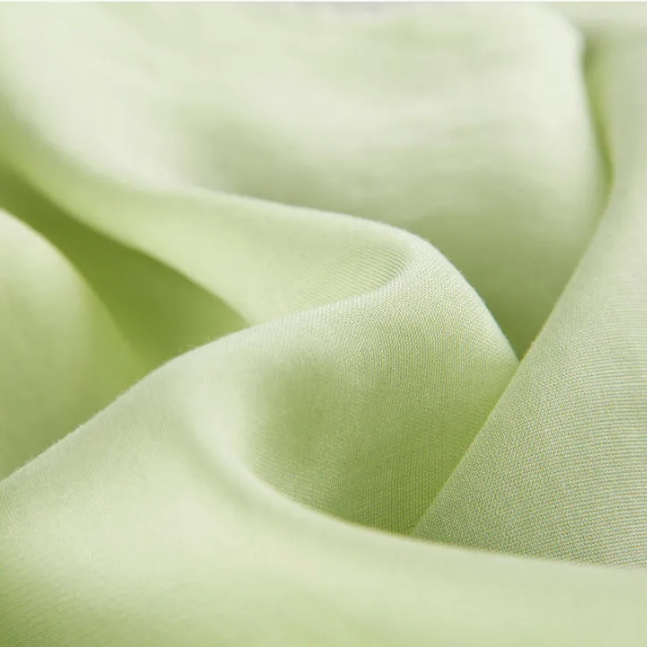

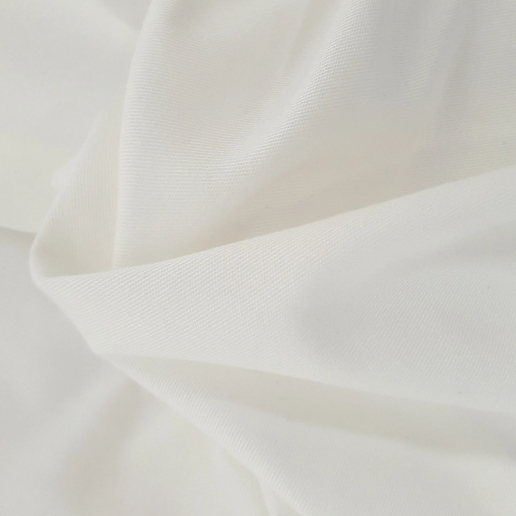
Pros:
- Made from sustainably sourced wood pulp (usually eucalyptus)
- Produced in a closed-loop process — very low environmental impact
- Silky soft, elegant drape, doesn’t wrinkle easily
- Naturally breathable, holds dye well
Cons:
- More expensive than cotton or poly blends
- Can appear too “flowy” unless structured or blended
Best for:
- Professional choirs and chamber ensembles wanting flowy yet polished stagewear
- Soloists who need elegance and comfort
- Uniformed groups wanting something softer than synthetics
recycled polyester (rPET)

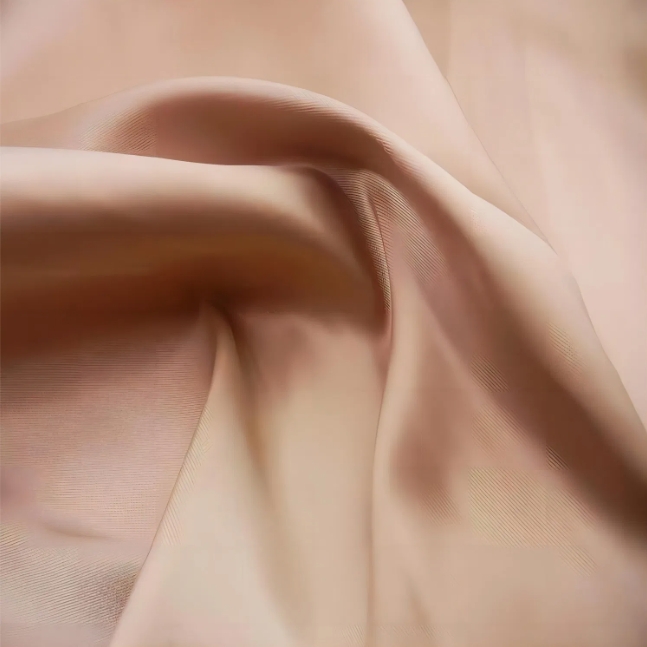

Pros:
- Gives a second life to plastic bottles or textile waste
- More durable and wrinkle-resistant than natural fibers
- Blends well with cotton for comfort and shape
- Maintains color over time and washes easily
Cons:
- Still a synthetic — not biodegradable
- Can trap heat (unless blended or ventilated)
- Sheen might appear too “sporty” under lights
Best for:
- Choirs or orchestras needing matching pieces in custom colors
- Groups performing frequently (budget-friendly with high wear)
- Uniform basics like trousers, skirts, fitted jackets
hemp blends

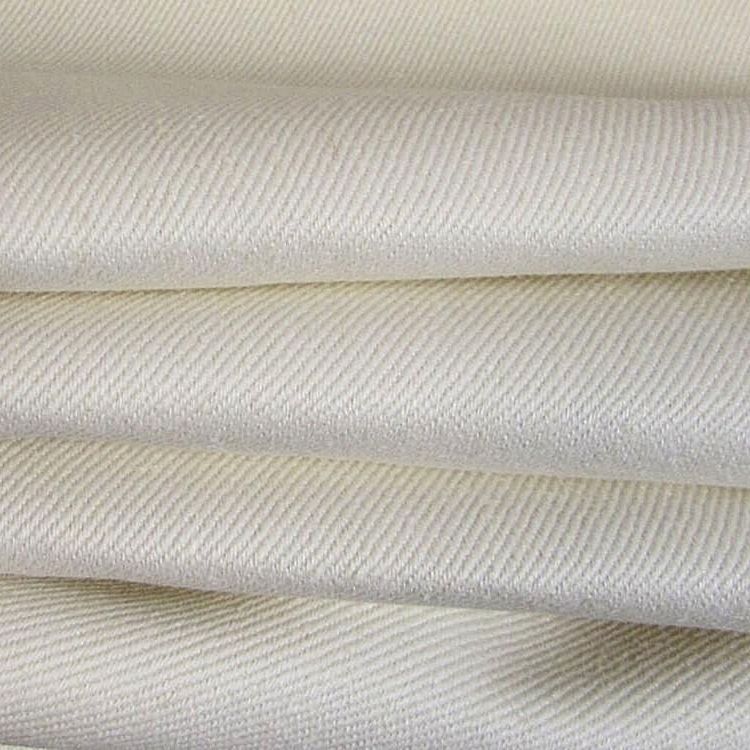

Pros:
- One of the most sustainable fibers — grows fast with little water
- Extremely strong and long-lasting
- Naturally antibacterial
- Can mimic linen or heavier cotton in look
Cons:
- Rougher texture unless blended
- Not widely available in bright or deep colors
- More casual in feel unless tailored carefully
Best for:
- Environmentally conscious adult ensembles
- Instrumental groups or folk-inspired programs
- Seasonal collections like autumn/winter accessories
quick tips for choosing sustainable stagewear
For children’s choirs
- Prioritize softness, stretch, and ease of care
- Organic cotton or bamboo blends are ideal
- Look for tear-proof stitching and machine washability
For youth choirs & ensembles
- Mix organic cotton tops with recycled poly bottoms
- Add subtle accessories (scarves, sashes) in brighter tones
- Use durable yet breathable options for active performers
For professional choirs / chamber groups
- Consider TENCEL™, bamboo-viscose, or eco-silk alternatives
- Stick to elegant drapes and muted palettes
- Invest in tailoring — quality cuts extend the life of sustainable fabrics
For orchestras
- Jackets and trousers in recycled polyester blends hold structure well
- Lining with TENCEL™ or organic cotton adds comfort
- Avoid synthetic shine — look for matte or textured weaves
For soloists
- Go bold with TENCEL™, bamboo silk, or responsibly dyed linen blends
- Keep in mind how the fabric catches light and moves on stage
- Choose colors that reflect your brand, but won’t fade fast
final thoughts
Stagewear can be stylish, functional, and planet-conscious — all at once.
It just starts with choosing the right thread.
need help choosing the right fabric for your ensemble?
Let’s create something that feels as good as it looks.
Send an email or write us here:
info@pitch-stitch.com